Bathtub Installation & Replacement in Findlay, OH – Findlay Quality Kitchen & Bathroom Remodeling
Get A Free Quote
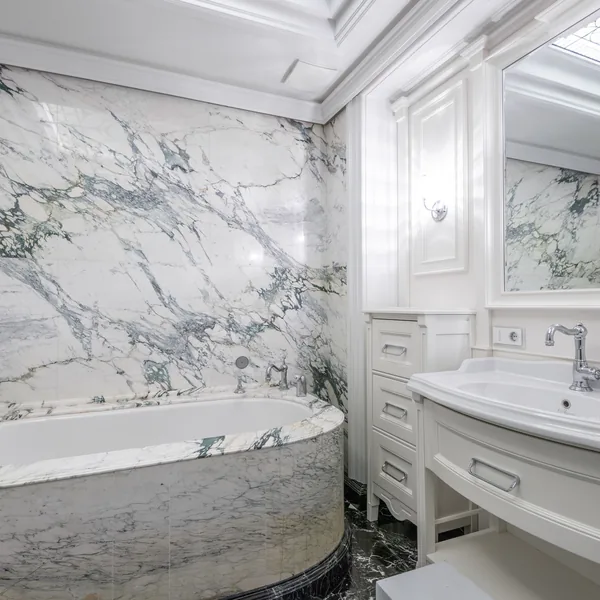
Findlay Quality Kitchen & Bathroom Remodeling has provided bathtub installation and replacement for Findlay, OH homeowners for more than 15 years. We replace worn, stained, or leaking tubs with options that fit the room and how you use it.
If the existing layout still works, a like-for-like replacement keeps the new tub in the same footprint. We also handle new bathtub installation during remodels, bathtub surround installation, and shower-to-tub conversions. Options include alcove, soaking, drop-in, and freestanding tubs. We are licensed and insured and provide free in-home estimates.
A 60-inch alcove tub fits many replacement layouts, while acrylic tubs weigh less than enameled cast iron. Tub fillers receive an ASSE 1070 anti-scald valve that limits delivered water temperature to 120 degrees. Before the walls are closed, we test-fill the tub to check for leaks. Many straightforward replacements can be completed in one day.
We serve homeowners throughout Hancock County and nearby Fremont, Tiffin, and Fostoria. Our in-house crew handles the project from start to finish, and we measure the bathroom before ordering to confirm the tub will fit.
Bathtub Installation & Replacement for Findlay Homes: Three Starting Points
A tub project usually starts because the existing fixture is worn, a larger remodel changes the layout, or the bathroom has no tub at all. The layout you have and the changes you want will determine whether the right approach is a like-for-like swap in an alcove, a new bathtub installation, or a shower-to-tub conversion.
Like-for-Like Bathtub Replacement
When the current layout already serves you well, a like-for-like swap is the fastest kind of tub project. We remove the old fixture and install a same-size tub while leaving the drain, water supply, and wall framing in place. A 60-inch alcove tub is designed for a five-foot opening enclosed by walls on three sides, with a finished apron forming the exposed front. Because this apron-front tub avoids framing changes and drain relocation, it reduces disruption throughout the room. The work usually requires no permit, and your surround can also be replaced as part of the tub replacement.
New Bathtub Installation in a Larger Remodel
A larger remodel may place the tub somewhere entirely different, which means the plumbing must move before the finished surfaces go on. For a new bathtub installation, we route the water supply, drain, and vent while the wall and floor remain open so their positions can still be adjusted. The vent admits air into the drain line so water flows away without gurgling or draining slowly. This early pipe work is known as rough-in plumbing, and we complete the drain and vent routing around the selected fixture.
We then frame the alcove according to the manufacturer's spec sheet. Because dimensions vary by model, you need to choose the tub before the surrounding walls are framed. Moving plumbing requires permit work. Full bathroom remodels are their own service.
Shower-to-Tub Conversion
Families with small children may need a practical place for baths, especially when the home has no tub. A shower-to-tub conversion adds one by removing the shower pan, the waterproof shower floor that catches water and directs it to the drain, and rebuilding the floor beneath it so the new tub base has a flat, stable surface. The plumbing must also change because a shower typically uses a 2-inch drain, while a bathtub uses a 1.5-inch tub drain in a different position. We relocate the drain and reposition the valve for a tub filler, including the anti-scald valve. If your project goes in the opposite direction, tub-to-shower conversion is its own service.
Choosing Your New Tub: Bathtub Styles & Materials
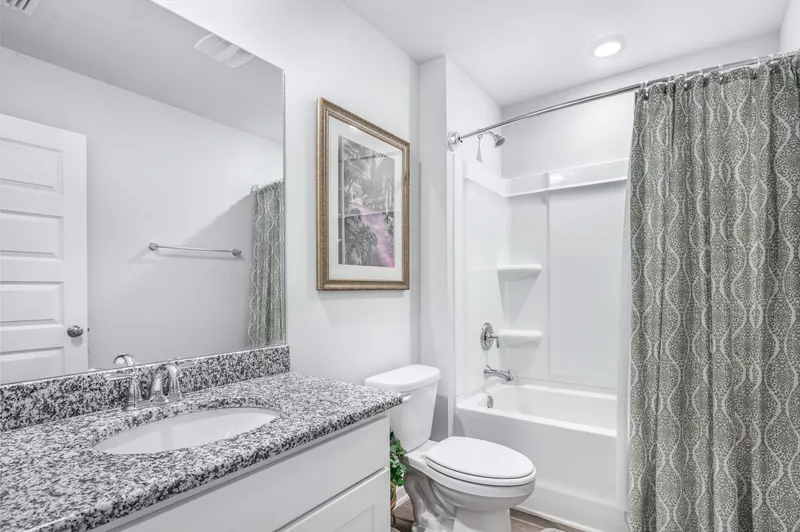
Your new tub needs to suit the room, the way you bathe, and the amount you want to spend. Its style and material also affect the load on the floor and the demand on your hot-water supply. We guide you through tub selection before anything is ordered.
Alcove, Drop-In & Freestanding Bathtubs
Keeping the existing footprint often makes an alcove tub the most practical choice. A drop-in tub is a bathing shell with a rim that rests on a framed tub deck, allowing the surrounding tile and the shape of the deck to become part of the design. For a more open look, a freestanding tub has finished exterior surfaces on every side and sits away from the walls. It normally pairs with a floor-mounted tub filler, the faucet that fills the tub, and needs enough room around it for cleaning and comfortable movement. Before ordering, we verify the walking clearance, bathroom-door width, and every turn along the delivery route. The shape of your bathroom ultimately determines which choices are realistic.
Soaking Tubs & Whirlpool Options
When you want more of your body to remain under the water, a soaking tub provides greater depth than many standard tubs. A soaking tub can contain about 15 inches of water or more, while a standard alcove tub holds about 12 to 14 inches.
If you choose a whirlpool, each pump needs a GFCI-protected circuit, which cuts power immediately when it detects a fault and is required for outlets and equipment near water. Whirlpool tubs and air-jet tubs also need an access panel so their pumps and motors can be serviced later. A heavier tub and a bigger fill put more demand on the floor and the hot-water supply. Walk-in tubs with a door entry are available through our aging-in-place bathroom remodeling.
Acrylic, Fiberglass, Enameled Steel & Cast Iron
The right tub material depends on how you balance cost, weight, durability, and upkeep. An acrylic tub feels warm against the skin, weighs relatively little, and allows small surface scratches to be polished out. A fiberglass tub is finished with a sprayed surface coat called gelcoat, making it the lowest-cost option, although the finish tends to dull sooner than the other choices. Enameled steel is economical and rigid, but dropped hardware can chip the enamel. An enameled cast iron tub holds bath heat well and can serve for decades, though it is the heaviest option. Because that extra weight affects the structure beneath the tub, we account for the load during the floor review.
Bathtub Surround Installation: Walls That Keep Water Out
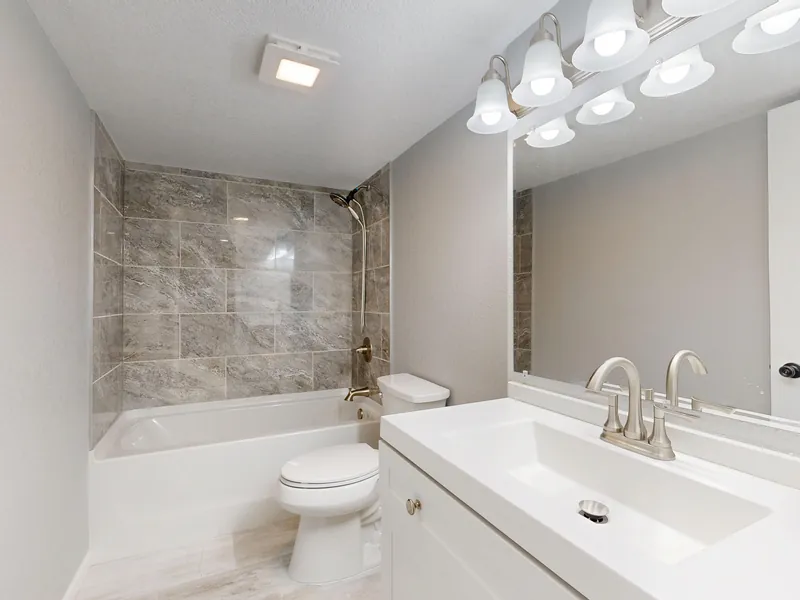
The walls above your tub affect how the finished bathroom looks, how much cleaning it needs, and whether water stays away from the structure behind it. The tub accounts for only part of the finished project. During bathtub surround installation, you can choose between grout-free panels and a tile surround, each with different design and upkeep considerations.
Grout-Free Solid-Surface Surrounds
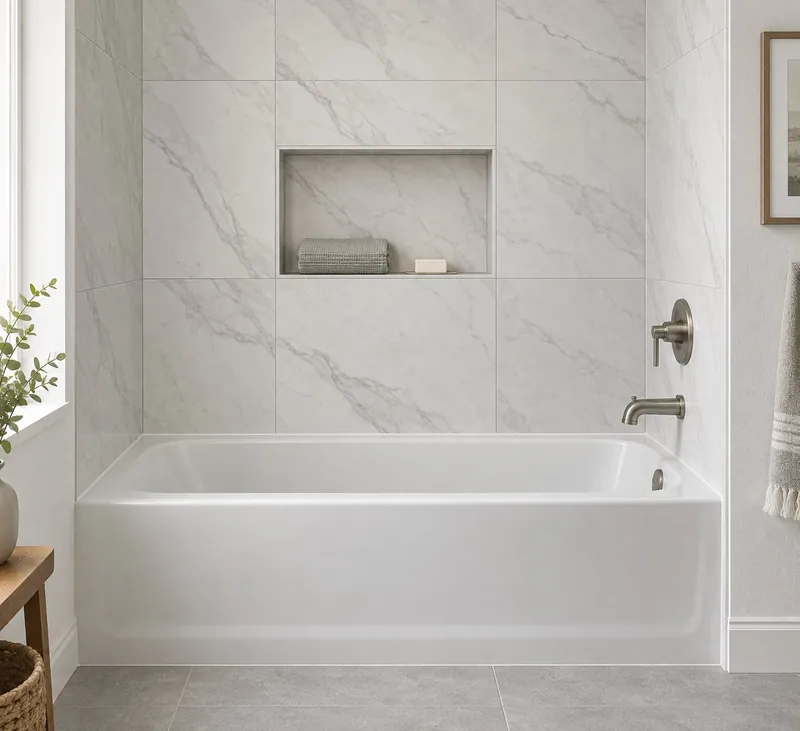
If easy cleaning matters most, solid-surface surround panels provide a non-porous surface without grout lines that can collect soap residue, mildew, and stains. We cut the grout-free panels on site to fit the alcove, then seal the seams and corners with silicone so water cannot reach the wall behind them. You can choose from panel patterns and coordinating trim, along with an integrated corner shelf for bathing products. Wall-system products carry lifetime warranties from their manufacturers. Full custom showers and walk-in showers are available through their own services.
Tile Surrounds Over a Waterproofed Wall
Custom colors, patterns, and accent bands are easier to achieve with a tile surround. Before installing the tile, we add cement backer board to create a stable surface and apply a waterproofing membrane within the tub surround. At the tub edge, the tile overlaps the perforated lip that fastens the tub to the wall studs, known as the nailing flange, so water runs back into the basin instead of behind it. Where the tile meets the tub rim, we form a caulked movement joint because grout can crack as the two materials move at different rates. Tile grout also needs periodic sealing and upkeep.
Inside a Bathtub Installation & Replacement, from Tear-Out to Test Fill
What happens before the walls close determines whether your new tub remains supported and sealed years later. During bathtub installation, careful sequencing through tear-out, tub setting, and the test fill protects the concealed work you will never see once the project is finished.
Getting the Old Tub Out Clean
Removing an old tub should not leave a trail of damage through your home. Before removal begins, we lay floor runners, pad the doorways, and clear the carry path. Steel and acrylic tubs generally come out whole, while a cast iron tub is divided into manageable sections inside the alcove using an angle grinder and careful sledge work.
In older Findlay houses, opening the apron can reveal missing shutoff valves or an old lead drain bend, which we replace with modern pipe as part of the work. If we uncover either condition, we photograph it and provide a written change order before performing any additional work. Once the tear-out is complete, our crew hauls away and disposes of the old tub as part of the job.
Setting the New Tub Level & Fully Supported
A tub that flexes or shifts underfoot can eventually crack an acrylic floor or pull open the seal along the rim. To prevent that movement, we press the tub into a mortar setting bed, a wet mortar pad that supports the entire base instead of leaving hollow areas beneath it. A ledger board is a level wooden strip fixed across the wall studs to carry the back rim of the tub. Before securing the nailing flange to the framing, we use a spirit level to check the tub from end to end and front to back. Proper tub setting keeps the tub fully supported and reduces strain on the rim seal.
Drains, Valves & the Test Fill
Leaks and unsafe water temperatures are much easier to correct while the plumbing connections remain open and accessible. We install a new waste-and-overflow assembly rather than reusing the old tub drain and overflow hardware. At the open floor connection, we also inspect the P-trap, the curved section of drain pipe under the tub that holds a little water to block sewer gas from entering the room, and replace it when its condition calls for new piping.
Residential plumbing requirements call for scald protection, so the tub filler receives an ASSE 1070-listed anti-scald mixing valve set to deliver water no hotter than 120 degrees. Before closing the walls, we perform a test fill by filling and draining your tub while checking every joint. If a connection leaks, we can correct it before the walls conceal the plumbing.
Weight, Water & Structure: What a New Tub Asks of Your House
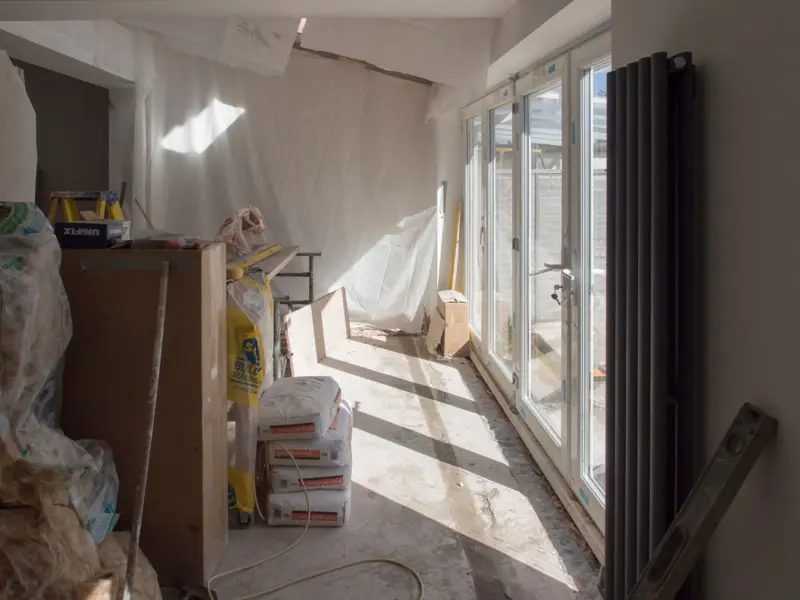
A deep or heavy tub has to work with the structure beneath your bathroom and the amount of hot water available. Before you choose one, we evaluate whether the floor framing and joist span can support its weight. We also account for the water heater size when planning a soaking tub fill so your selected tub can fill with enough hot water.
Can the Floor Support a Heavy Tub?
The weight beneath a large tub can be much greater than the empty fixture suggests. Water weighs 8.34 pounds per gallon, so the total rises quickly once the basin is filled and someone steps inside. An enameled cast iron tub can weigh 300 pounds or more while empty. A filled soaker with a bather can exceed half a ton within one compact footprint.
For context, residential living-area floors commonly use 40 pounds per square foot as the design live load, while furniture spreads its weight over a larger area than a tub. Most floors carry a standard tub without changes, but heavy cast iron and large soaking tubs, especially upstairs, require a framing check before the tub is ordered.
To determine what your floor can carry, we inspect the joist size, joist span, and direction beneath the bathroom, paying particular attention to upstairs installations. When reinforcement is necessary, we add sistered joists, matching joists bolted alongside the existing ones to stiffen the floor, or solid blocking to strengthen the floor framing before the tub is set.
Will Your Water Heater Fill It Hot?
If the existing water heater is too small, a soaking tub can leave you with lukewarm water before it reaches a comfortable depth. A large soaking tub can hold roughly twice the water of a standard alcove model. Because a bath mixes hot and cold water, the fill typically needs roughly two-thirds of the tub’s capacity in hot water.
A conventional tank supplies 70 to 75 percent of its rated volume as usable hot water before its output begins cooling. Matching the tank capacity to the tub capacity on paper is not enough, and a large soaker often needs a bigger tank or a tankless water heater.
If your current equipment falls short, we price a larger tank or a tankless water heater while you are selecting the tub. Making the decision before ordering helps ensure the new tub can fill with enough hot water from the start.
Why Choose Findlay Quality Kitchen & Bathroom Remodeling for Your New Bathtub?
Choosing a bathtub installer means deciding who will work inside your home and oversee the project from start to finish. Findlay Quality Kitchen & Bathroom Remodeling uses in-house installation crews rather than rotating subcontractors through your home. Because the same crew handles the tear-out and installation, a straightforward tub replacement can often be completed as a one-day tub swap. Our approach reflects more than 15 years of bathroom remodeling experience.
- Because Delta, Moen, Kohler, and American Standard fixtures are stocked at Findlay home centers, parts and replacements are easy to get later, while their product warranties come from the manufacturer.
- Every installation includes a written workmanship warranty that covers the work performed by our crew.
- To protect the concealed wall assembly from water, we install the required waterproofing behind every wet wall around your bathtub.
- Your free in-home estimate includes clear line-item pricing, without vague allowances hidden inside the total.
- Throughout the job, a dedicated project manager serves as your single point of contact and answers your questions.
- Our company is licensed and insured, and every project remains under our direct supervision.
What Findlay Homeowners Pay for a New Bathtub
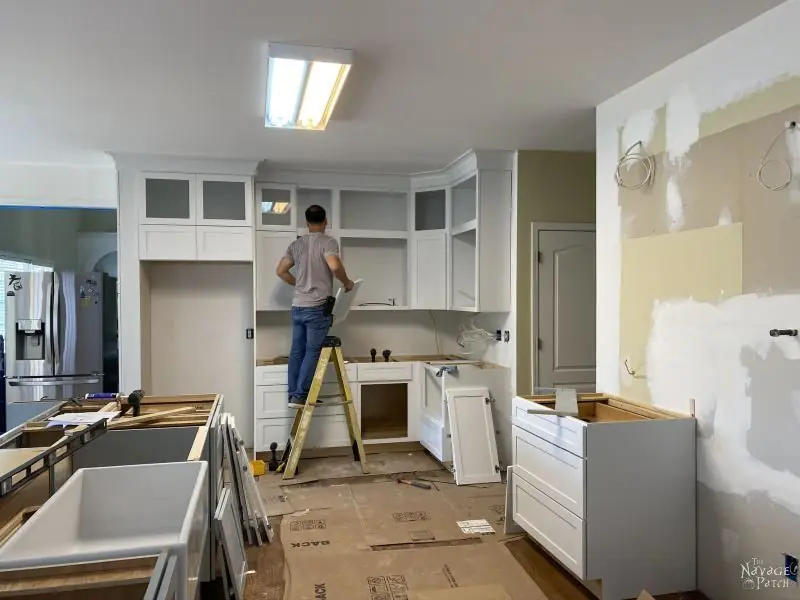
Knowing what affects the price makes it easier to set a realistic budget for your new bathtub. Most bathroom tub replacement projects cost between $4,000 and $12,000. Where the tub replacement cost falls within that range depends on the fixture, wall finish, plumbing layout, and any repairs uncovered during removal.
- Fiberglass generally falls near the lower end, while enameled cast iron sits near the upper end.
- Grout-free panels require less installation labor than tiled walls.
- Keeping the drain in place controls plumbing labor. Relocating the drain raises the price, and shower-to-tub conversions can exceed the usual range.
- Subfloor damage or drain repairs discovered beneath the old tub add labor and materials.
- The fixture grade tiers you choose affect the price of the tub filler, valve, and trim.
Bathtub cost around Findlay generally runs 10 to 20 percent below comparable big-metro rates. Financing options are available for qualified projects.
Your Bathtub Replacement, from First Measure to First Soak
When you know what happens at each stage, it is easier to plan your selections, budget, and time without the bathroom. Findlay Quality Kitchen & Bathroom Remodeling follows the same six-step tub replacement process from the first visit through completion.
-
A Look at Your Bathroom & a Free Estimate
Your first visit is the time to discuss whether you want a soaker, family tub, or straight replacement. We measure the alcove, doorway widths, and carry path so we can plan for the tub you choose. Your free in-home estimate carries no obligation. -
Tub, Surround & Fixture Selections
Seeing and handling the products can make your selections easier, so you can view full-size tubs and fixtures at Findlay-area home centers. Before anything is ordered, we confirm that your selections fit the dimensions recorded during the first visit. -
Your Quote, Line by Line
Before you approve the project, you receive a fixed line-item quote that separates the tub, surround, plumbing, and disposal costs. Each selection has a stated price, with no vague allowances in the proposal. -
Permits, If Your Project Needs One
Whether your project needs a permit depends on the work involved. A like-for-like replacement usually requires no permit. If the drain or water supply moves, or the project adds an electrical circuit, we obtain the municipal permit and arrange inspections. -
Tear-Out to New Tub — Often in One Day
A planned water shutoff lets you know when the bathroom plumbing will be unavailable. We keep the shutoff within the agreed window, and our crew cleans the bathroom and the carry route through your home before leaving. -
The Test Fill, the Walkthrough & Your Paperwork
Before the job is complete, you can watch as we fill and drain the tub. We then complete a final walkthrough, resolve the punch list, which is the short list of small items to finish or correct, and provide the care sheet, which gives you written instructions for keeping the new tub and surround in good condition, along with the written workmanship warranty.
Bathtub Reglazing, Liners, or Full Replacement: Which Fix Fits?
Your worn tub may be a candidate for reglazing, an acrylic bath liner, or full tub replacement. An honest assessment starts with the defect and how long you want the result to last. A refinish coating can buy a few years, while a new tub offers decades of service life.
What Reglazing & Bath Liners Can Do
Stains or a dull finish can make an otherwise sound tub look ready for removal. Bathtub reglazing covers the existing surface with a sprayed refinish coating, making it a practical cosmetic fix. If you want to cover the tub instead, an acrylic bath liner is a custom shell measured for the fixture and often fitted within one day. Both options leave the old tub body and underlying drain system in place. They cannot correct steel that has rusted through, a cracked base that flexes under your weight, or leaks coming from below the fixture.
When Full Replacement Is the Smarter Spend
Damage beneath the finish changes the decision because covering the surface leaves the failing parts in place. Full replacement renews the tub, waste-and-overflow assembly, valve, and surround rather than addressing only one part of an aging installation. The broader scope can keep you from paying for a coating now and then replacing the fixture a few years later. If you are preparing the home for a buyer, a new tub, surround, valve, and drain hardware also present a finished, up-to-date bathroom. At your free estimate, we examine the tub’s actual condition and tell you whether it calls for reglazing, an acrylic bath liner, or full replacement.
Caring for Your Bathtub & Surround
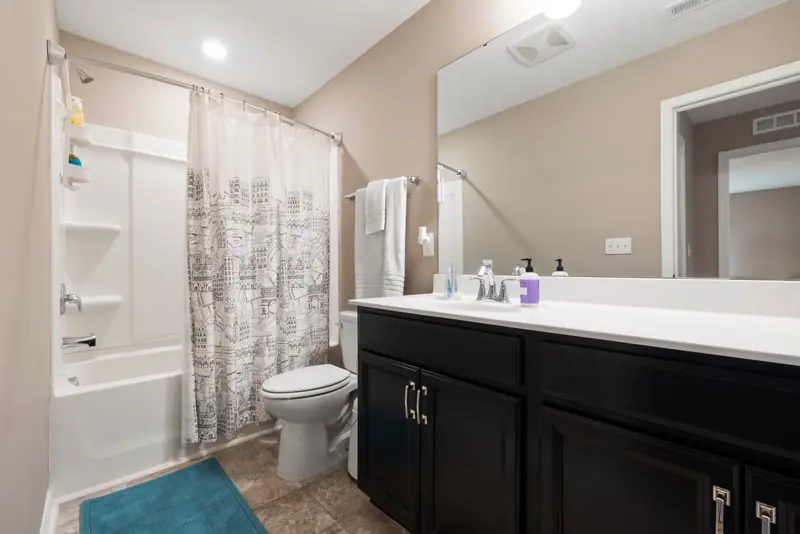
Regular bathtub care can help your new bathtub, surround, and finished joints avoid preventable wear. Most of these habits take only about five minutes.
- Shrinking or peeling silicone can let water get behind the surround. Inspect each joint regularly and reseal it every 1 to 2 years.
- Acrylic tubs can lose their gloss when cleaned with scouring powders or abrasive pads. Use a non-abrasive cleaner and a soft cloth instead.
- Tiled surrounds can absorb moisture and develop stains along the grout lines. Seal the grout about once a year to limit both problems.
- Lingering humidity keeps the bathroom damp after a bath. Run the exhaust fan for about 20 minutes each time to help clear the moisture.
- Gaps often develop where the tub meets the floor, especially near the corners. Watch the caulk line and recaulk it as soon as you notice a gap or loose edge.
Where We Install & Replace Bathtubs Around Findlay
Your bathroom may be in an 1880s gas- and oil-boom era home or one of Findlay’s new subdivisions, and its age and layout shape the bathtub work involved. Across Northwest and North-Central Ohio, that range brings us into bathrooms with original tubs, worn alcoves, and newer spaces ready for a different fixture. We also install and replace bathtubs for your home in Hancock County and surrounding communities along the Interstate 75 corridor, all within a short drive of Findlay.
Findlay Quality Kitchen & Bathroom Remodeling Serves These Communities
Findlay Quality Kitchen & Bathroom Remodeling serves the following Northwest and North-Central Ohio communities.
- Findlay, OH
- Marion, OH
- Fremont, OH
- Tiffin, OH
- Fostoria, OH
- Bucyrus, OH
- Galion, OH
- Bellevue, OH
- Willard, OH
- Upper Sandusky, OH
- Kenton, OH
- Carey, OH
- Clyde, OH
- Crestline, OH
- Attica, OH
- Arcadia, OH
- Arlington, OH
- Forest, OH
- Bloomville, OH
- Sycamore, OH
- New Washington, OH

Bathtub Questions Findlay Homeowners Ask
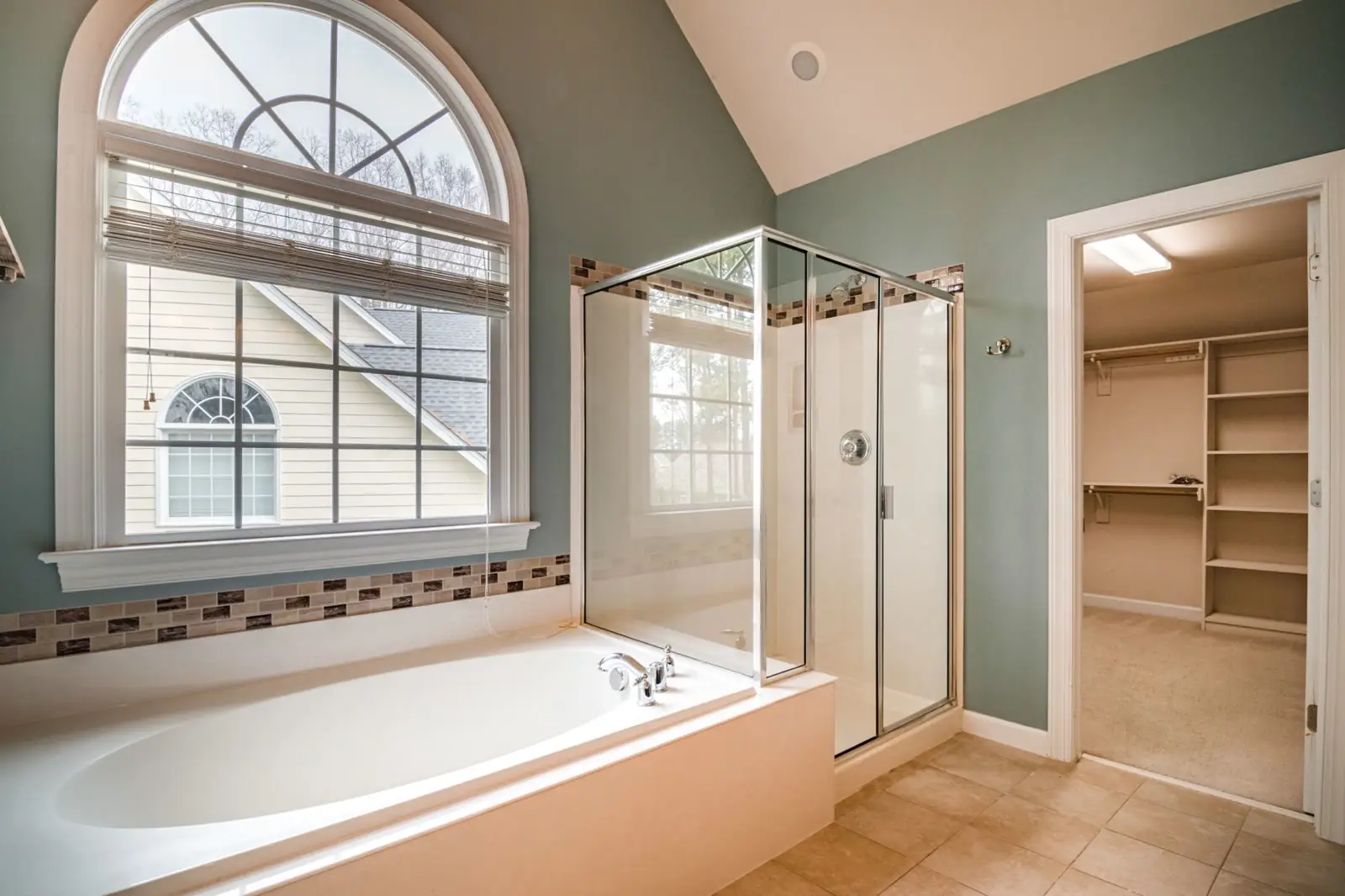
Before choosing a new tub or planning a bathroom tub replacement, homeowners often have practical questions about the schedule, cost, repair options, and materials.
Can You Really Replace a Bathtub in One Day?
Yes. When the new fixture keeps the same footprint, a one-day tub swap is common. Moving the drain, changing the layout, or repairing damage uncovered during tear-out usually extends the work to two or three days.
How Much Does It Cost to Replace a Bathtub in Findlay?
When you are setting a budget, you can expect a completed bathroom tub replacement to fall between $4,000 and $12,000. The biggest single price difference is whether the drain stays where it is or has to move.
Is It Cheaper to Reglaze a Bathtub or Replace It?
For a tub with a worn finish but a sound structure, reglazing costs less initially because a refinish coating renews the surface rather than repairing the tub itself. We confirm that the fixture is structurally sound during your estimate.
What Type of Bathtub Lasts the Longest?
If you want a tub that can serve for decades, enameled cast iron is a strong option. Many cast iron tubs weigh 300 pounds or more when empty, so we check the floor first. Acrylic offers a lighter, repairable alternative with a long service life.
Will My Water Heater Handle a Bigger Soaking Tub?
A bigger soaking tub needs a water heater that can deliver enough hot water for a much larger fill. With a tankless heater, we check the continuous flow rate to confirm it can keep up.
Do I Need a Permit to Replace a Bathtub in Findlay?
A direct bathtub replacement usually does not require a permit. When the scope does require city approval, we pull the permit and schedule both the rough-in and final inspections, so the required checks happen at the proper stages.
Can You Turn a Shower Back Into a Bathtub?
Yes. A bathtub needs a longer run of wall than a compact shower stall, so we check that your opening can accommodate one before planning the shower-to-tub conversion.
Book Your Free Bathtub Estimate with Findlay Quality
When you are ready to move your bathtub project forward, start with a free in-home estimate. Findlay Quality Kitchen & Bathroom Remodeling works with homeowners across Hancock County. Tell us what you want to change and the type of tub you are considering. To discuss your project, call (419) 701-5397 or send the details through the quote form.